EQB / B Automotive
DCEC EQB / B series automotive engine is four-strokes engine with 102mm bore and 120mm stroke, Equipped with Bosch (or BYC or Weifu) pump. engine comes with turbocharger and Air- Air intercooler. The prime power range is from 92 kW to 210 kW.
As part of EMAC, DuraMac provides complete powertrain that integrated with DCEC engine, Fast-Eaton clutch, FAST-CAT transmission, Dongfeng-DANA axle and Komman air suspension, while the electrification of automobile is the certain future, Duramac also get involved with EV powertrain system. We provide full life cycle services for all customers, from design to power system supply, from installation to commissioning, from after-sales service training to spare parts supply, from trouble shooting to overhaul technical support.
DCEC EQB / B series electronic automotive engine can reach upto EU Stage VI emission standard, the number 30/40/50/60 are the emission standard mark of engine, which means engine emission standard are EU Stage III, IV, V, VI. For different emission standard DCEC EQB / B electronic series automotive engine, the engine itself are the same, the major different are the after-treatment system and ECU program, EMAC will keep updating products introduction page of different emission standard version engines, welcome to subscribe our website to get latest update information.
If you are in need of engine model that not available on our website for the moment, please contact EMAC sales team for technical details and related documents, our well trained sales and engineering team will help you with all products and techical documents available here at DCEC.

Advantages of EQB / B Automotive Engine
1. Lower fuel consumption: Originated from the United States CMS advanced design and superior manufacture, lower 20% oil consumption than congeneric Chinese products.
2. Strong power, the design of exhaust bypass valve makes low speed performance more perfect and better dynamic performance.
3. Excellent reliability, Cylinder block and head using integrated design, to stop the engine leaking and oil leakage phenomenon, engine parts are Less 40% than other similar engine, greatly reduce the failure rate.
EQB / B Mechanical Automotive Engine
All models of DCEC EQB / B Mechanical Automotive Engine.

Empowering Global Rail with China’s Strong supply Chain: Meet Us in Berlin at Booth 8.1-245
SinoMac and RailMac: an integrated green-power value chain empowering the future of rail transit. China-built, powering global rail transit. We look forward to welcoming you at Hall 8.1 · Booth 245.
FADA GQ2100/1 Marine Gearbox
Gearbox Model: GQ2100/1 Marine Gearbox
Input Speed Range: 1000 – 2300 RPM
Nominal Ratio: 2.0 – 3.5
Trans. Capacity: 1.324 – 1.545 kW / RPM
FADA GQ2100 Marine Gearbox
Gearbox Model: GQ2100 Marine Gearbox
Input Speed Range: 1000 – 2300 RPM
Nominal Ratio: 1.5 – 2.8
Trans. Capacity: 1.398 – 1.545 kW / RPM
FADA GQ2000/1 Marine Gearbox
Gearbox Model: GQ2000/1 Marine Gearbox
Input Speed Range: 1000 – 2100 RPM
Nominal Ratio: 2.0 – 3.2
Trans. Capacity: 1.250 – 1.471 kW / RPM
FADA GQ2000 Marine Gearbox
Gearbox Model: GQ2000 Marine Gearbox
Input Speed Range: 1000 – 2100 RPM
Nominal Ratio: 1.5 – 2.8
Trans. Capacity: 1.250 – 1.471 kW / RPM
FADA GQ1700/1 Marine Gearbox
Gearbox Model: GQ1700/1 Marine Gearbox
Input Speed Range: 1000 – 2100 RPM
Nominal Ratio: 2.0 – 3.2
Trans. Capacity: 1.030 – 1.250 kW / RPM
FADA GQ1700 Marine Gearbox
Gearbox Model: GQ1700 Marine Gearbox
Input Speed Range: 1000 – 2100 RPM
Nominal Ratio: 1.5 – 2.8
Trans. Capacity: 1.030 – 1.250 kW / RPM
FADA GQ1380/1 Marine Gearbox
Gearbox Model: GQ1380/1 Marine Gearbox
Input Speed Range: 1000 – 2100 RPM
Nominal Ratio: 2.0 – 3.2
Trans. Capacity: 0.900 – 1.030 kW / RPM
FADA GQ1380 Marine Gearbox
Gearbox Model: GQ1380 Marine Gearbox
Input Speed Range: 1000 – 2100 RPM
Nominal Ratio: 1.5 – 3.0
Trans. Capacity: 0.900 – 1.030 kW / RPM
FADA GQ1000/1 Marine Gearbox
Gearbox Model: GQ1000/1 Marine Gearbox
Input Speed Range: 1000 – 2300 RPM
Nominal Ratio: 2.0 – 3.2
Trans. Capacity: 0.735 kW / RPM
FADA GQ1000 Marine Gearbox
Gearbox Model: GQ1000 Marine Gearbox
Input Speed Range: 1000 – 2300 RPM
Nominal Ratio: 1.2 – 2.9
Trans. Capacity: 0.650 – 0.735 kW / RPM
FADA GQ750/1 Marine Gearbox
Gearbox Model: GQ750/1 Marine Gearbox
Input Speed Range: 1000 – 2500 RPM
Nominal Ratio: 2.5 – 3.7
Trans. Capacity: 0.490 – 0.554 kW / RPM
FADA GQ750 Marine Gearbox
Gearbox Model: GQ750 Marine Gearbox
Input Speed Range: 1000 – 2500 RPM
Nominal Ratio: 1.3 – 3.0
Trans. Capacity: 0.490 – 0.554 kW / RPM
FADA GQ500/1 Marine Gearbox
Gearbox Model: GQ500/1 Marine Gearbox
Input Speed Range: 1000 – 2500 RPM
Nominal Ratio: 2.0 – 3.0
Trans. Capacity: 0.405 kW / RPM
FADA GQ500 Marine Gearbox
Gearbox Model: GQ500 Marine Gearbox
Input Speed Range: 1000 – 2500 RPM
Nominal Ratio: 1.0 – 2.5
Trans. Capacity: 0.382 – 0.405 kW / RPM
FADA GQ400/1 Marine Gearbox
Gearbox Model: GQ400/1 Marine Gearbox
Input Speed Range: 1000 – 2500 RPM
Nominal Ratio: 2.0 – 3.5
Trans. Capacity: 0.331 kW / RPM
FADA GQ400 Marine Gearbox
Gearbox Model: GQ400 Marine Gearbox
Input Speed Range: 1000 – 2500 RPM
Nominal Ratio: 1.0 – 2.5
Trans. Capacity: 0.294 – 0.331 kW / RPM
FADA GQ300/1 Marine Gearbox
Gearbox Model: GQ300/1 Marine Gearbox
Input Speed Range: 1000 – 2500 RPM
Nominal Ratio: 1.5 – 3.5
Trans. Capacity: 0.221 – 0.257 kW / RPM
FADA GQ300 Marine Gearbox
Gearbox Model: GQ300 Marine Gearbox
Input Speed Range: 1000 – 2500 RPM
Nominal Ratio: 1.0 – 2.5
Trans. Capacity: 0.235 – 0.257 kW / RPM
FADA GQ250 Marine Gearbox
Gearbox Model: GQ250 Marine Gearbox
Input Speed Range: 1000 – 2500 RPM
Nominal Ratio: 1.0 – 2.8
Trans. Capacity: 0.125 – 0.184 kW / RPM
FADA GQ200/1 Marine Gearbox
Gearbox Model: GQ200/1 Marine Gearbox
Input Speed Range: 1000 – 2500 RPM
Nominal Ratio: 2.0 – 3.5
Trans. Capacity: 0.132 – 0.147 kW / RPM
FADA GQ200 Marine Gearbox
Gearbox Model: GQ200 Marine Gearbox
Input Speed Range: 1000 – 2500 RPM
Nominal Ratio: 1.5 – 2.5
Trans. Capacity: 0.132 – 0.147 kW / RPM
FADA GQ150 Marine Gearbox
Gearbox Model: GQ150 Marine Gearbox
Input Speed Range: 1000 – 2500 RPM
Nominal Ratio: 1.0 – 3.0
Trans. Capacity: 0.098 – 0.110 kW / RPM
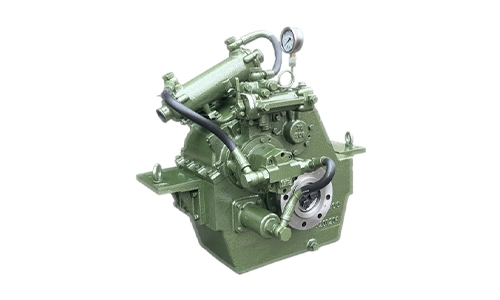
FADA GQ Series Gearbox
Rated Speed: 1000 – 2500 RPM
Actual Ratio: 1.02 – 3.65
Capacity: 0.098-1.545 kW / RPM
Net Weight: 235-2080 kg
FADA JT1700/1 Marine Gearbox
Gearbox Model: JT1700/1 Marine Gearbox
Input Speed Range: 600 – 1600 RPM
Reduction Ratio: 7.9568- 16.7839
Trans. Capacity: 0.816 – 1.287 kW / RPM
FADA JT1700 Marine Gearbox
Gearbox Model: JT1700 Marine Gearbox
Input Speed Range: 600 – 1600 RPM
Reduction Ratio: 4.9742- 12.5714
Trans. Capacity: 0.816 – 1.287 kW / RPM
FADA J1700A Marine Gearbox
Gearbox Model: J1700A Marine Gearbox
Input Speed Range: 600 – 1800 RPM
Reduction Ratio: 1.5000 – 4.5882
Trans. Capacity: 1.102 – 1.287 kW / RPM
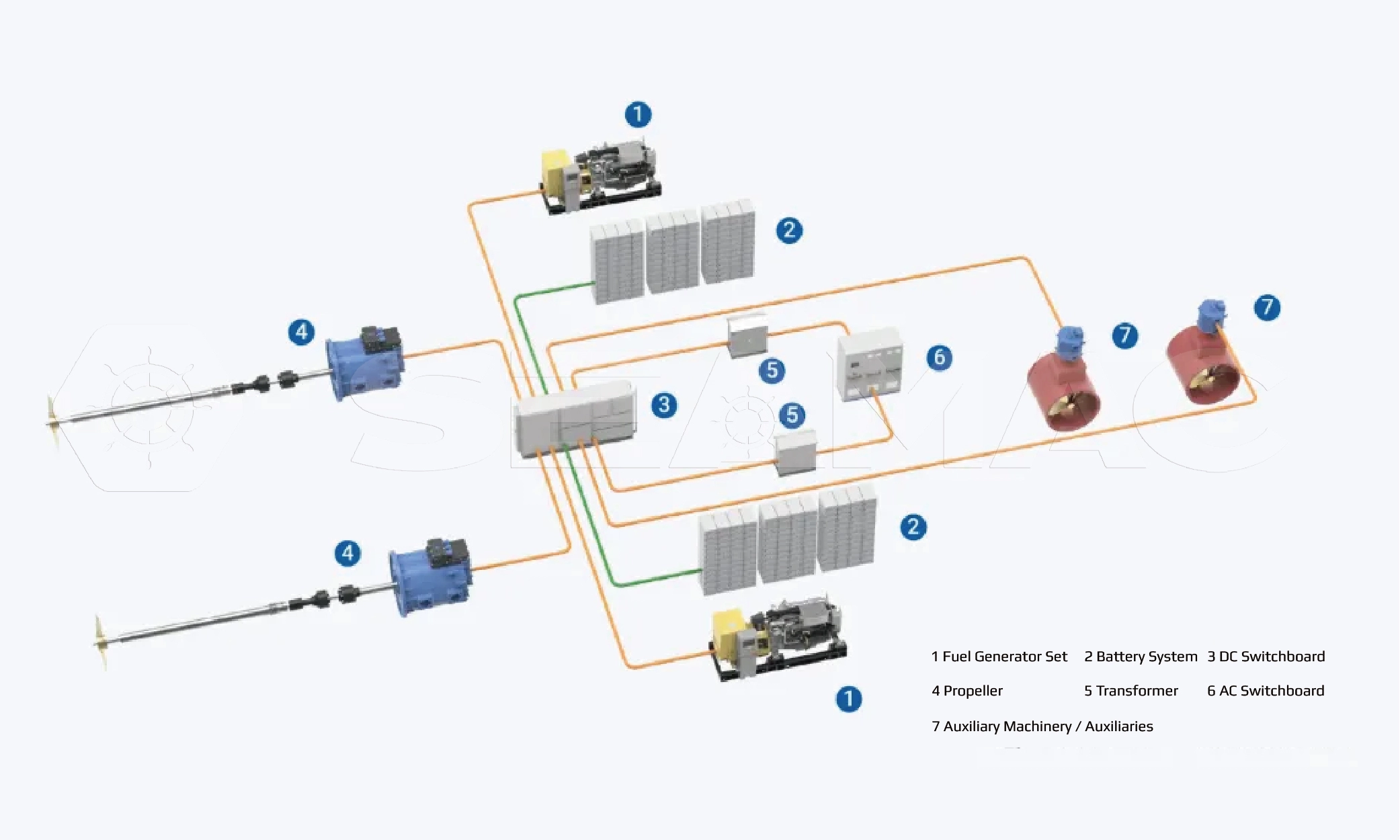
Detailed introduction of DC Hybrid Propulsion System
A DC Hybrid Propulsion System takes the DC Bus as its core. It integrates various energy sources and equipment including diesel engines, generators, battery energy storage systems, shore power, power electronic converters and propulsion motors into a unified electrical power platform for ship propulsion.
Egypt | Marine-Equipment Supplier Interview
SinoMac 2027 Customer Interview Video: Since 2023, SinoMac has completed a series of interviews with multiple enterprises from different countries and regions. Most of the videos were shot at the customer companies and factories, and all the evaluations and feedback about SinoMac were collected, covering different industries in different countries and regions. We believe that this series of SinoMac customer interview videos can help all other customers have a deeper understanding of SinoMac. Our real customer interview cases can greatly help customers eliminate concerns and enhance their confidence in cooperating with SinoMac.
A promise is a promise. SinoMac has always kept its word. For customer feedback, it is 100% the true words of the customers. SinoMac, a company you can trust!
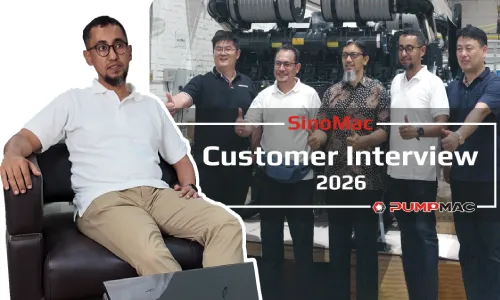
Indonesia | Pump-Manufacturer Interview
EMAC 2027 Customer Interview Video: Since 2023, EMAC has completed a series of interviews with multiple enterprises from different countries and regions. Most of the videos were shot at the customer companies and factories, and all the evaluations and feedback about EMAC were collected, covering different industries in different countries and regions. We believe that this series of EMAC customer interview videos can help all other customers have a deeper understanding of EMAC. Our real customer interview cases can greatly help customers eliminate concerns and enhance their confidence in cooperating with EMAC.
A promise is a promise. EMAC has always kept its word. For customer feedback, it is 100% the true words of the customers. EMAC, a company you can trust!
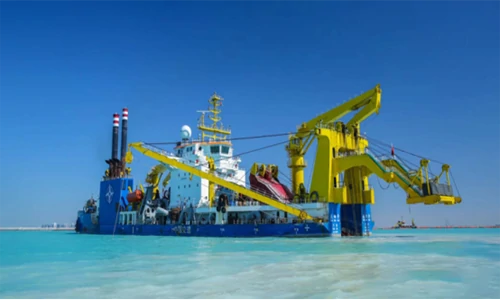
Arc-section dredging construction of cutter suction dredger
The arc-section dredging technology for cutter suction dredgers is developed to address low efficiency of linear construction in curved excavation areas. Applied to the Abu Dhabi Horseshoe Island Project, it innovates four core technologies, reducing ship relocation and corner dredging, and improving construction efficiency and curved slope quality.
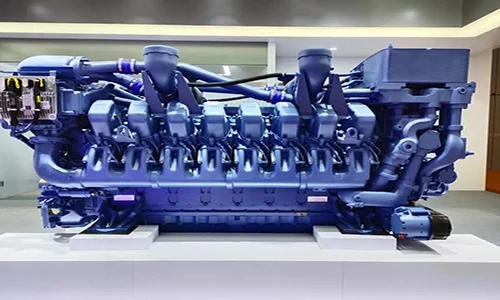
The marine engineering design features of the MTU 2000/4000 series propulsion diesel engines
The MTU2000/4000 series diesel engine offer high power density, low fuel consumption, and meet emission standards, making them globally popular for high-speed vessels. Extensively adopted in China since the early 2000s, their unique structural and performance characteristics require careful attention in propulsion system design to maximize performance. These engines remain among the world’s most advanced.
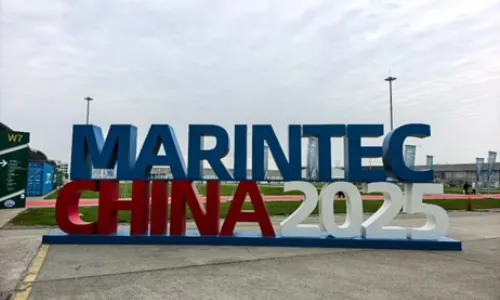
SinoMac Makes Its Mark at Global Maritime Event—A Look Back at Marintec China 2025SinoMac Makes Its Mark at Global Maritime Event—A Look Back at Marintec China 2025SinoMac Makes Its Mark at Global Maritime Event—A Look Back at Marintec China 2025
Hailed as the “Olympics” of the global maritime industry, Marintec China 2025 took place from December 2 to 5, 2025, at the Shanghai New International Expo Centre. Centered on the theme “Innovation and Cooperation for Sustainable Maritime Development,” this edition showcased cutting-edge technologies, innovative achievements, and sustainable pathways across the global maritime sector. It attracted over 2,000 exhibiting companies and tens of thousands of professional visitors from more than 100 countries and regions, highlighting China’s pivotal influence and open-cooperative stance within the global maritime industry.
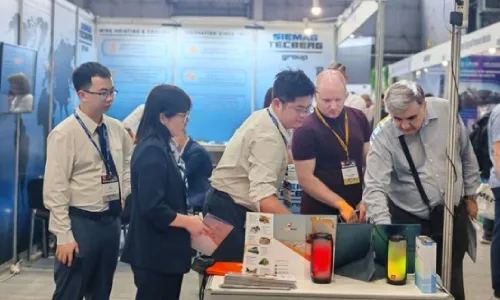
SinoMac’s Presence at the 2025 Kazakhstan International Mining, Exploration & Coal Processing Exhibition
As one of the most influential mining exhibitions in Central Asia, the Kazakhstan International Mining, Exploration and Coal Processing Exhibition (Mining Week) was grandly held in Karaganda, Kazakhstan from June 24 to 26, 2025. Focused on the entire mining process, this exhibition showcased a concentrated display of technological innovations, equipment upgrades and green solutions-catering to the industry’s full-chain demands and serving as a premier platform for global mining players to showcase technologies, exchange experience and explore partnerships.
Review of SeaMac 2025 Vietnam International Maritime Ship Exhibition:Deeply connecting with the cutting-edge of the global maritime industry
Recently, the highly anticipated 2025 Vietnam International Maritime and Shipbuilding Exhibition concluded successfully at the Adora Convention Center in Ho Chi Minh City. As Vietnam’s largest and most specialized event in shipbuilding and maritime technology, the exhibition gathered top shipbuilders, maritime service providers, and marine equipment manufacturers from around the world. SeaMac actively participated, comprehensively showcasing its innovative achievements and integrated capabilities in ship solutions and high-efficiency propulsion systems. The company engaged in extensive and in-depth exchanges with industry partners, achieving fruitful outcomes from its participation.
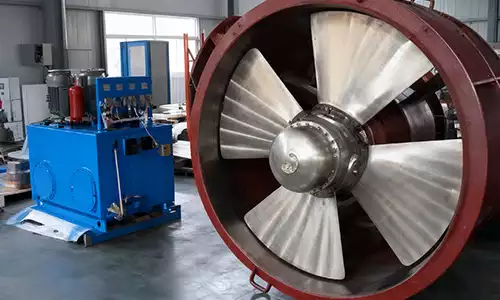
Selection and design concepts of different types of ship propellers
This paper explores the selection and design concepts for propellers of different types of ships, with a focus on analyzing the propeller design characteristics of common vessel types such as passenger ships, bulk carriers, fishing vessels, container ships, engineering ships, and car ferries. For each ship type, detailed elaboration is provided from aspects including operating conditions, ship requirements, and key propeller design considerations. Research indicates that ships with different purposes have significant differences in their propeller design requirements, and targeted designs based on specific operating conditions are necessary. The research findings of this paper can serve as a reference for the selection and design of marine propellers.

Manufacturing Process of Liyang Propellers
This paper comprehensively introduces the complete manufacturing process of Liyang Propellers, with a focus on our innovative breakthroughs in casting technology, machining processes, and quality control. By adopting 12 patented technologies—including quick-drying sand mold casting and five-axis simultaneous machining—our propeller products outperform industry standards by more than 20% across key indicators such as precision, efficiency, and service life. Additionally, the paper details the 23 critical processes from mold design to finished product delivery, shedding light on the technical underpinnings of Liyang Propellers’ outstanding performance.

Liyang Propeller Quality Control System
This paper comprehensively introduces the distinctive three-level quality control system of Liyang Propellers, which comprises three rigorous pre-furnace inspections and ten precise finished product tests. By adopting internationally advanced testing equipment and scientific technological processes, we have realized full-process quality monitoring from raw materials to finished products. Data shows that this system has increased the product qualification rate to 99.8% and extended the service life by 30%, providing customers with reliable quality assurance. The paper elaborates on the specific processes, technical standards, and equipment configurations of each test, demonstrating Liyang Propellers’ outstanding quality control capabilities.

Introduction to Different Certificate-Level Propellers
This paper systematically introduces the quality control systems for different certification levels in ship propeller manufacturing, focusing on analyzing the differences among mainstream standards such as BV (Bureau Veritas), CCS (China Classification Society), and DNV (Det Norske Veritas). Research shows that the higher a propeller’s certification level, the stricter its quality control procedures—with total inspection items increasing by 30-40% throughout the process from raw material testing to final delivery. This directly drives up production costs by 15-25%. The paper elaborates on the manufacturing processes, inspection items, and cost structures of propellers at each certification level, providing professional references for shipowners and shipyards to select appropriate standards.

Introduction to Common Passenger Ship Packages
The design of passenger ship propellers requires comprehensive consideration of the vessel’s speed, comfort, economy, and maneuverability. This paper details the key design parameters of passenger ship propellers (including diameter, disk area ratio, material, hub-to-diameter ratio, skew angle, blade profile, number of blades, rake angle, etc.) and their coordinated matching methods, while also analyzing the principles of ship-engine-propeller matching. Furthermore, the paper elaborates on the design process, optimization methods, and common issues in passenger ship propeller design, providing a reference for the design of passenger ship propulsion systems.
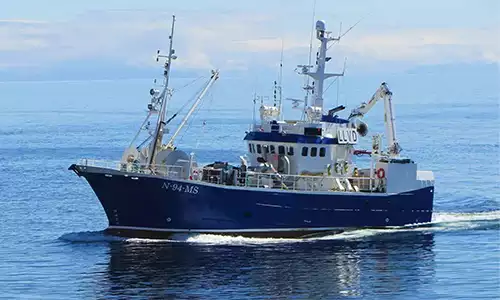
Introduction to Common Fishing Vessel Packages
The design of fishing vessel propellers needs to balance propulsion efficiency, maneuverability, and special operational requirements.This paper systematically analyzes the key design parameters of fishing vessel propellers(including diameter, disk ratio, material, hub ratio, rake angle, blade profile, number of blades, skew angle,etc)and their coordinated matching methods, while conducting an in-depth discussion on the ship-engine-propeller matching principle. It also elaborates in detail on the design process, optimization methodologies, and response strategies for special operating conditions of fishing vessel propellers, thereby providing comprehensive technical references for the design of fishing vessel propulsion systems.Studies have shown that special attention should be paid to characteristics such as trawling operating conditions, fishing net entanglement protection, and frequent speed change operations in the design of fishing vessel propellers; rational parameter matching can significantly improve the operational efficiency and reliability of fishing vessels.

Introduction to Common Engineering Vessel Packages
The propeller design of engineering ships must meet the requirements of complex operating environments and special functional needs, and its design process entails the comprehensive consideration of multiple factors—including maneuverability, positioning capability, and propulsion efficiency. This paper systematically analyzes the key design parameters and matching methods of propellers for various types of engineering ships, with a particular focus on exploring the design essentials of special propulsion devices such as azimuth thrusters and ducted propellers. Research indicates that customized propeller designs tailored to the operational characteristics of different engineering vessels can enhance working efficiency by 20–30% while reducing fuel consumption by 15–20%. Furthermore, the paper provides a detailed exposition of the complete design process for engineering vessel propellers, from requirements analysis to experimental validation, and outlines future development trends toward intelligence and sustainability.

Introduction to Common Container Ship Shipping Packages
The design of container ship propellers must balance specific requirements, such as high speed, high efficiency, and route adaptability. This paper systematically analyzes the key design parameters and matching methods of modern container ship propellers, with a particular focus on exploring critical technologies—including cavitation control under high-speed operating conditions and the optimization of ship-engine-propeller matching. Research findings indicate that adopting a 5- to 6-bladed propeller featuring a large diameter, high skew angle, and rake design can effectively enhance the propulsion efficiency of container ships while mitigating vibration and noise. Furthermore, the paper details the complete design workflow, spanning from requirement analysis to test validation, and outlines the future development trends of energy-saving and environmentally friendly propellers.

Introduction to Common Bulk Carrier Packages
The design of bulk carrier propellers requires comprehensive consideration of the vessel’s economy, durability, and seaworthiness. This paper details the key design parameters of bulk carrier propellers (diameter, disk area ratio, material, hub-to-diameter ratio, rake angle, blade profile, number of blades, skew angle, etc.) and their coordinated matching methods, while also analyzing the principles of ship-engine-propeller matching. Additionally, the paper elaborates on the design process, optimization methods, and common issues in bulk carrier propeller design, providing a reference for the design of bulk carrier propulsion systems.

Introduction to Common Automobile Ferry Packages
As a key transportation tool for land-island connections, the propeller design of automobile ferries must balance special requirements such as speed, maneuverability, and economy.This paper systematically analyzes the key design parameters and matching methods of such propellers, focusing on core technologies including maneuverability optimization under frequent berthing/unberthing conditions and countermeasures against shallow water effects. Research results indicate that adopting a twin-screw configuration, a 4-5 bladed propeller with moderate skew, and optimized ship-engine-propeller matching can enhance maneuverability by 15-20% while maintaining high propulsion efficiency. The paper details the complete propeller design process for automobile ferries—from requirement analysis to test verification—and outlines the development trend of new energy integration.

Comparison of Propellers Made of Different Materials
Cast iron propellers and copper propellers each exhibit distinct characteristics in marine propulsion; however, from a comprehensive performance perspective, copper propellers hold significant advantages.
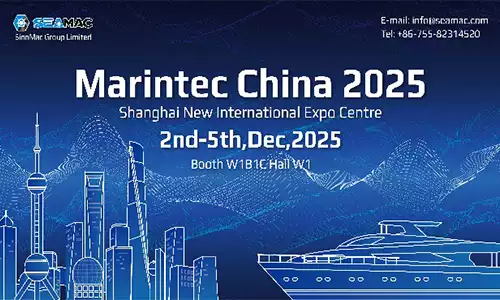
Attending a Global Maritime Extravaganza, SinoMac will be showcasing at Marintec China 2025
Marintec China 2025, hailed as a “global trendsetter for the maritime industry,” will be held from December 2nd to 5th, 2025, at the Shanghai New International Expo Centre. The theme of this year’s exhibition is “Innovation and Cooperation for Sustainable Development of the Maritime Industry,” and the theme of the High-Level Maritime Forum is “Intelligent Navigation, Green Coexistence, Integration, and Innovation,” reflecting expectations for the industry’s future.
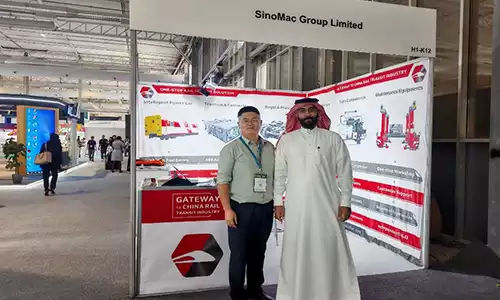
Review SAUDI RAIL 2025 :SinoMac Exhibition Highlights
SinoMac successfully participated in SAUDI RAIL 2025, the annual industry event held in Riyadh, Saudi Arabia, from October 19th to 20th, 2025. At the exhibition, SinoMac showcased its strong capabilities in railway technology, innovative solutions, and full lifecycle services, and engaged in in-depth exchanges with industry partners, customers, and experts from around the world to jointly explore future opportunities for rail transit development in the Middle East.

All-electric Ships: the Integration Revolution of Independent Power Systems and Global Practice
In today’s era of green, low-carbon, efficient, and intelligent shipping, all-electric ships are gradually becoming the focus of industry development. As an independent power system, all-electric ships perfectly integrate power generation, transmission, distribution, energy storage, power consumption, and control. This innovative model not only reshapes the power architecture of ships, but also opens up a new path for the sustainable development of the shipping industry. The independent power system of all-electric ships breaks the relative independence of each part of the traditional ship power system and achieves a high degree of integration. The power generation link provides the source of electricity for the entire system, the transmission link transmits electricity efficiently, the distribution link reasonably distributes electricity to various power-consuming equipment, the energy storage link plays a role in regulating the balance between power supply and demand, the power consumption link is the final consumer of electricity, and the control link is like the “brain” of the system, accurately coordinating the work of each part to ensure the stable and efficient operation of the entire power system.
![Deeply Cultivate the International Market, Empowering the Future of Rail ——Focus [PRO//Motion Expo 2025]: SinoMac Exhibition Highlights Review](https://fadagearbox.com/wp-content/uploads/2025/09/SinoMac-Exhibition-Highlights-Review.webp)
Deeply Cultivate the International Market, Empowering the Future of Rail ——Focus [PRO//Motion Expo 2025]: SinoMac Exhibition Highlights Review
From August 28 to 31, 2025, the highly anticipated PRO//Motion Expo 2025 (Russian International Railway and Motion Exhibition) grandly opened at the Russian Railway Museum in St. Petersburg. PRO//Motion Expo is currently the largest railway and transportation exhibition in Russia and the Commonwealth of Independent States (CIS), attracting extensive participation from railway companies from CIS countries and around the world. Over the four-day exhibition, exhibitors showcased cutting-edge technologies and innovative achievements in the railway transportation industry.